
Capsaicin 8% patch in painful diabetic peripheral neuropathy:  
A randomized, double-blind, placebo-controlled study
Journal article
Published on October 13, 2016

Capsaicin 8% patch in painful diabetic peripheral neuropathy: A randomized, double-blind, placebo-controlled study

Simpson DM, Robinson-Papp J, Van J et al.

Journal of Pain

VIEW PUBLICATION

doi:10.1016/j.jpain.2016.09.008

Link copied successfully!

Summary

This page provides a summary of Simpson DM et al. J Pain. 2017;18(1):42–53. It is a simplified representation of the key points that was created by Averitas Pharma, and should not be considered a replacement for the full article or its abstract. Please refer to the original publication for further details and disclosures.

STEP study: Evaluating the efficacy and safety of a single 30-minute application of capsaicin 8% topical system against placebo in patients with painful diabetic peripheral neuropathy of the feet1

Background

Painful diabetic peripheral neuropathy is a debilitating complication commonly experienced by people with diabetes and results from dysfunction of peripheral nerve fibers.1 Oral pharmacological agents, such as antidepressants, anticonvulsants, or opioid medications, are often used for managing neuropathic pain.1 These treatments act on the central nervous system and are associated with some limitations, including systemic adverse events (AEs), drug-drug interactions, and the need for dose titration.1

STEP was the first trial to assess the efficacy and safety of capsaicin 8% topical system (previously known as capsaicin 8% patch) in patients with painful diabetic peripheral neuropathy.1 The capsaicin 8% topical system leverages a matrix technology that enables rapid delivery of high concentration capsaicin directly to the skin.1,2 It acts locally on pain sensing (nociceptive) nerve fibers through selective binding to transient receptor potential vanilloid 1 (TRPV1) channels, which are overexpressed on such fibers.1,2 Systemic absorption of capsaicin from the topical system is minimal, thereby limiting the potential for drug-drug interactions, eliminating the need for dose adjustments in special populations and minimizing the risk of systemic AEs.1

Peripheral nerve fiber dysfunction and neuropathic pain of the feet in painful diabetic peripheral neuropathy

Aim

STEP was a phase 3, randomized, double-blind, placebo-controlled, multicenter trial evaluating the efficacy and safety of a single 30-minute application of capsaicin 8% topical system against placebo over 12 weeks in patients with painful diabetic peripheral neuropathy of the feet (ClinicalTrials.gov Identifier: NCT01533428).1

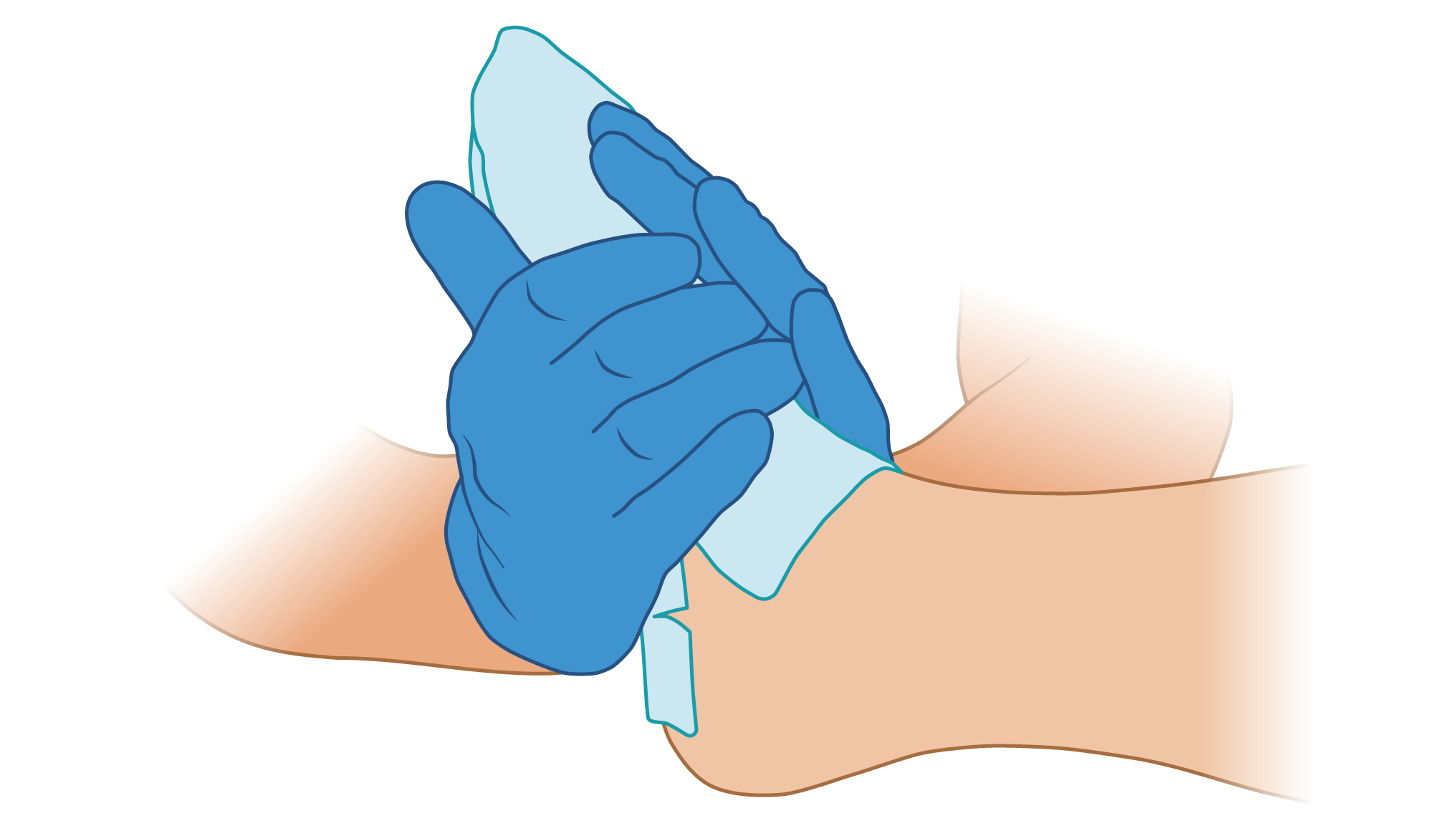
Application of capsaicin 8% topical system on the foot of a patient with painful diabetic peripheral neuropathy of the feet

Key findings

Patients with painful diabetic peripheral neuropathy of the feet who were treated with the capsaicin 8% topical system experienced modest and statistically significant improvements in pain relief compared to those treated with an identical placebo topical system1

Patients assessed their average daily pain over the previous 24 hours with the numerical pain rating scale (NPRS) using question 5 of the Brief Pain Inventory-Diabetic Neuropathy (BPI-DN) questionnaire.1

Pain reduction in patients with painful diabetic peripheral neuropathy of the feet
Sleep interference improved with capsaicin 8% topical system treatment versus placebo1

The mean percentage reduction from baseline in BPI-DN NPRS score for sleep interference (secondary endpoint) was significantly greater for patients treated with the capsaicin 8% topical system versus placebo throughout the study (p=0.030 from baseline to Week 2–8; p=0.020 from baseline to Week 2–12).1

Treatment-emergent adverse events (TEAEs) were more frequent in the capsaicin 8% topical system group (46.8%) than in the placebo group (33.9%)1

This difference was primarily attributable to application-site reactions (33.9% with capsaicin versus 8.2% with placebo).1

Assessment of changes in sensory perception and reflex testing indicated that most patients experienced either no change or an improvement from baseline through Week 12.1 No indications of deterioration in sensory perception of sharp, cold, warm, or vibration stimuli were observed.1

Conclusions

Treatment with capsaicin 8% topical system in patients with painful diabetic peripheral neuropathy of the feet resulted in modest and statistically significant pain relief, and improved sleep quality versus placebo.1

The capsaicin 8% topical system was well tolerated and was not associated with any sensory deterioration or new safety concerns.1

Limitations

Study limitations include potential functional unblinding due to application-site reactions in the capsaicin 8% topical system group, though the impact could not be quantified because no final masking assessment was performed.1 Despite showing statistical superiority over placebo (p=0.025) in the primary analysis, the treatment effect was modest, necessitating careful evaluation of clinical relevance for individual patients.1 Methodological constraints restricted assessments to “bedside” sensory testing, as implementing full Quantitative Sensory Testing across multiple centers was impractical due to training and standardization challenges, potentially limiting detection of subtle sensory changes.1 Additionally, the 12-week duration and evaluation of a single treatment prompted a separate 52-week open-label study (PACE study) to assess long-term safety and tolerability (primary endpoint) and efficacy of repeated treatments.1

Related content

Load more

Footnotes

AE, adverse event; BPI-DN, Brief Pain Inventory-Diabetic Neuropathy; NPRS, numerical pain rating scale; TEAE, treatment-emergent adverse event; USA, United States of America.

QZA-01-25-0007 | March 2025