DPN
Lit review


Contributors:
Landrum O, Marcondes L, Egharevba T et al.
DOI:
10.2217/pmt-2023-0028
This article reviews existing literature and provides practical application instructions for the integration of capsaicin 8% topical system into clinic or office procedures for the treatment of painful diabetic peripheral neuropathy of the feet1
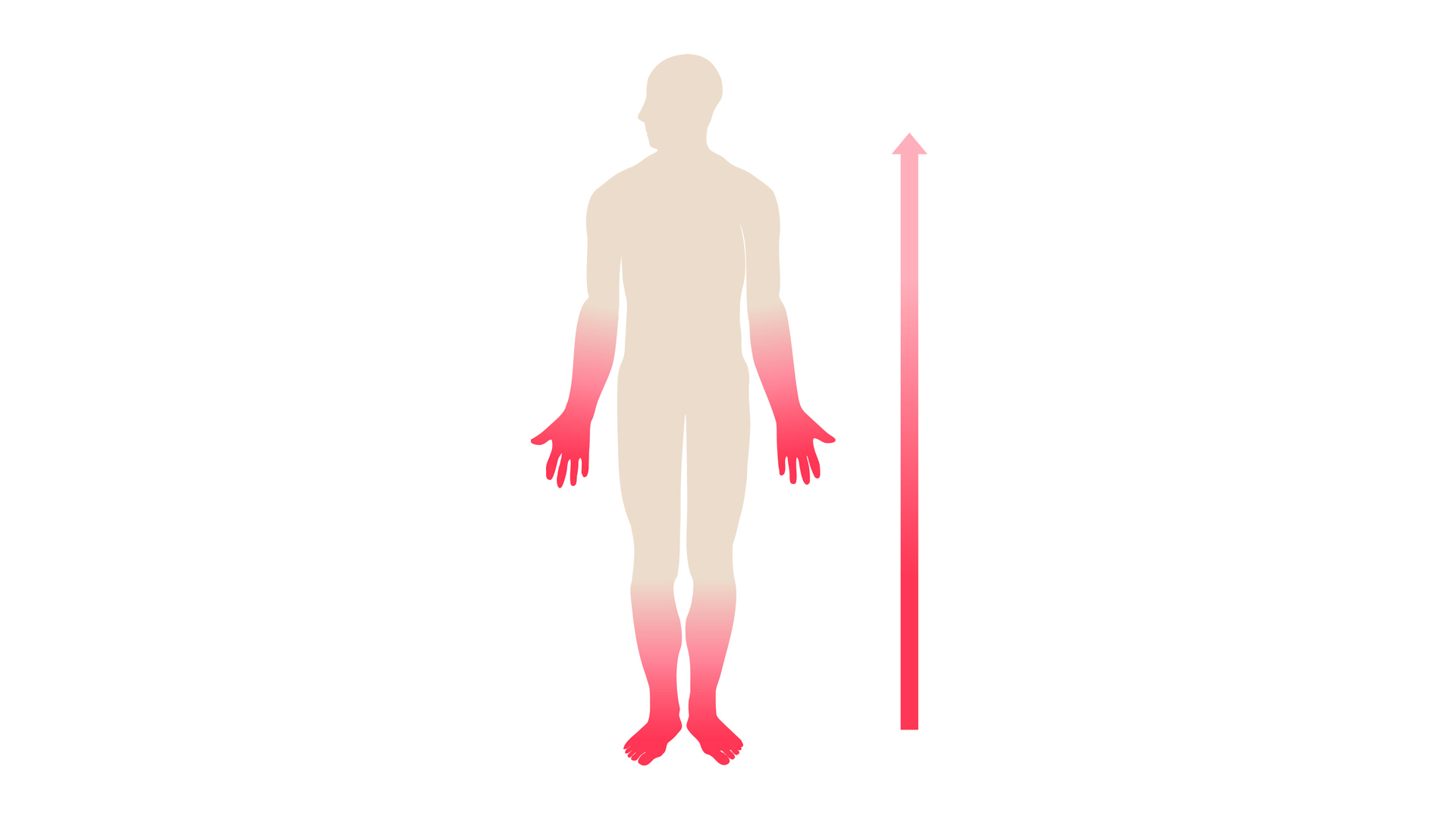
Diabetic peripheral neuropathy is a common complication associated with diabetes, resulting from dysfunction of peripheral nerve fibers.1,2 Patients with diabetic peripheral neuropathy often experience neuropathic pain (painful diabetic peripheral neuropathy), which typically starts in the feet and gradually moves proximally.1
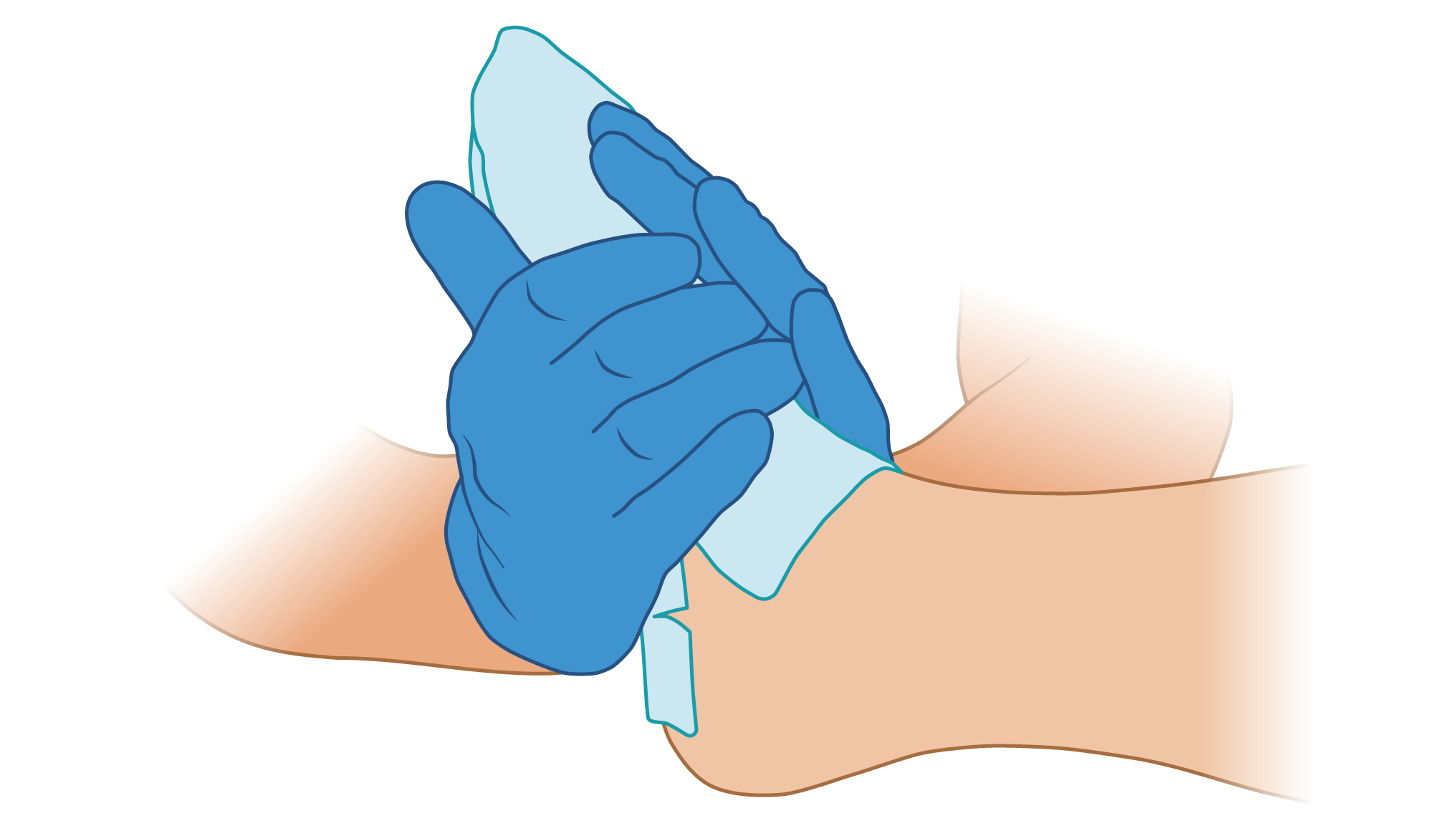
This article provides an overview of the role of capsaicin 8% topical system in the treatment landscape for painful diabetic peripheral neuropathy of the feet, along with practical information for healthcare professionals on its use in office settings.1
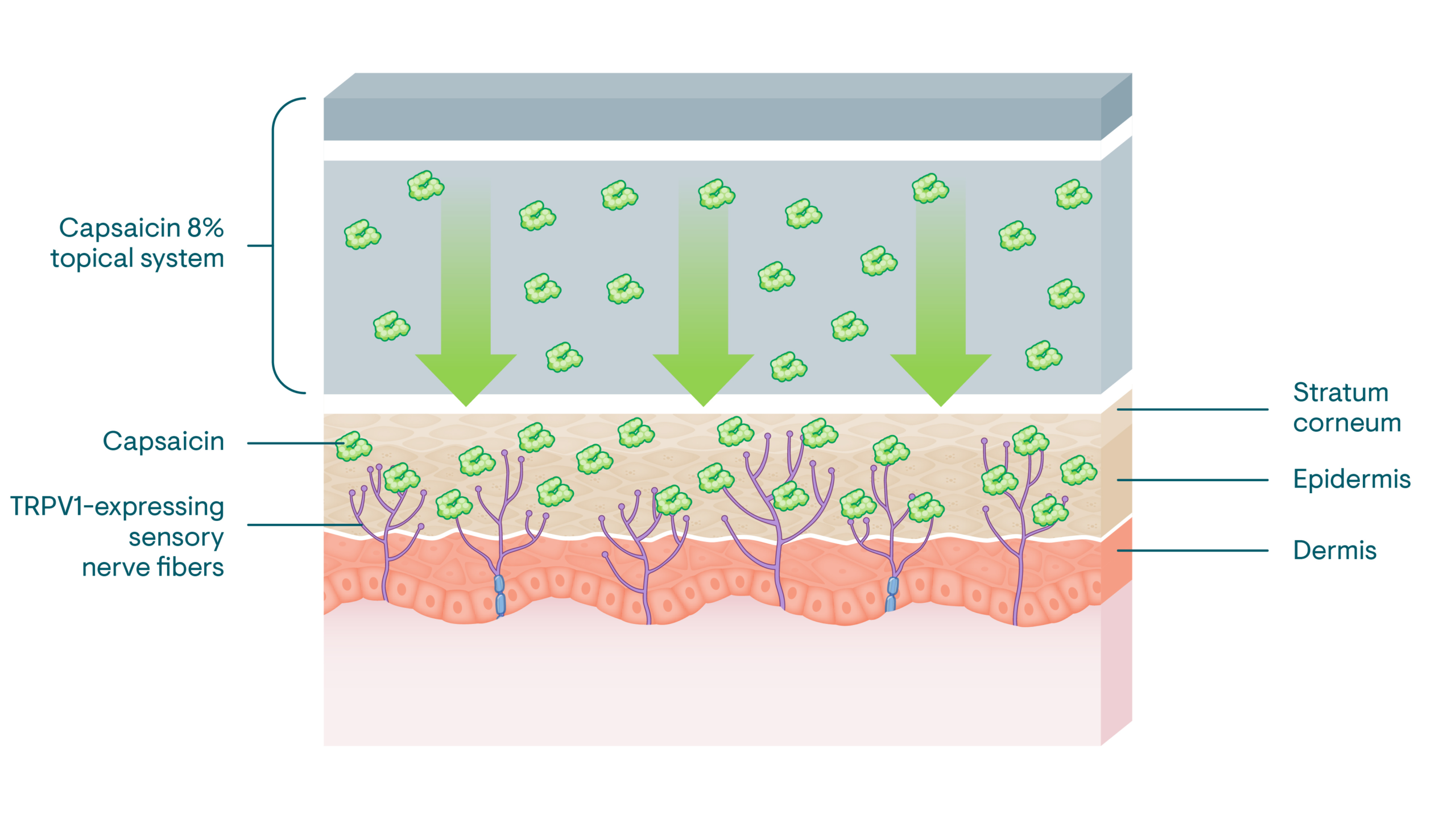
Capsaicin 8% topical system is a neurolytic agent designed to specifically target neuropathic pain by acting locally on pain sensing (nociceptive) nerve fibers in the outermost layers of the skin.1 The matrix technology in the topical system leverages the selective binding of capsaicin on transient receptor potential vanilloid 1 (TRPV1) channels that are overexpressed on nociceptive fibers and play a key role in pain sensation.1 The high concentration capsaicin chemically lyses the targeted nociceptive fibers reducing their responsiveness to painful stimuli and providing pain relief.1
Frontiers in Neurology
October 26, 2022
Journal of Experimental Pharmacology
September 9, 2025
Journal of Pain Research
February 25, 2025
aNot all oral agents recommended by the 2022 guidelines from the American Association of Clinical Endocrinology3 and the American Diabetes Association clinical compendium4 are FDA-approved for painful diabetic peripheral neuropathy (information updated in February 2025).
ADR, adverse drug reaction; DDI, drug-drug interaction; FDA, United States Food and Drug Administration; TRPV1, transient receptor potential vanilloid 1; USA, United States of America.
QZA-01-25-0009 | March 2025